Meal planning usually fails for the same reason diets do: it demands that Thursday-evening you behave like Sunday-morning you. Six recipes chosen on Sunday will be six recipes you do not feel like cooking by Wednesday, and then the vegetables rot and the whole thing feels like a failure.
The approach that has actually worked for me is to plan the shop, not the week. Buy a set of ingredients that overlap heavily, and decide what to cook on the night.
The overlap principle
Pick a handful of building blocks that appear in a lot of dishes, and buy those in quantity. Then buy two or three things that only go one way.
A week’s version of that looks like this:
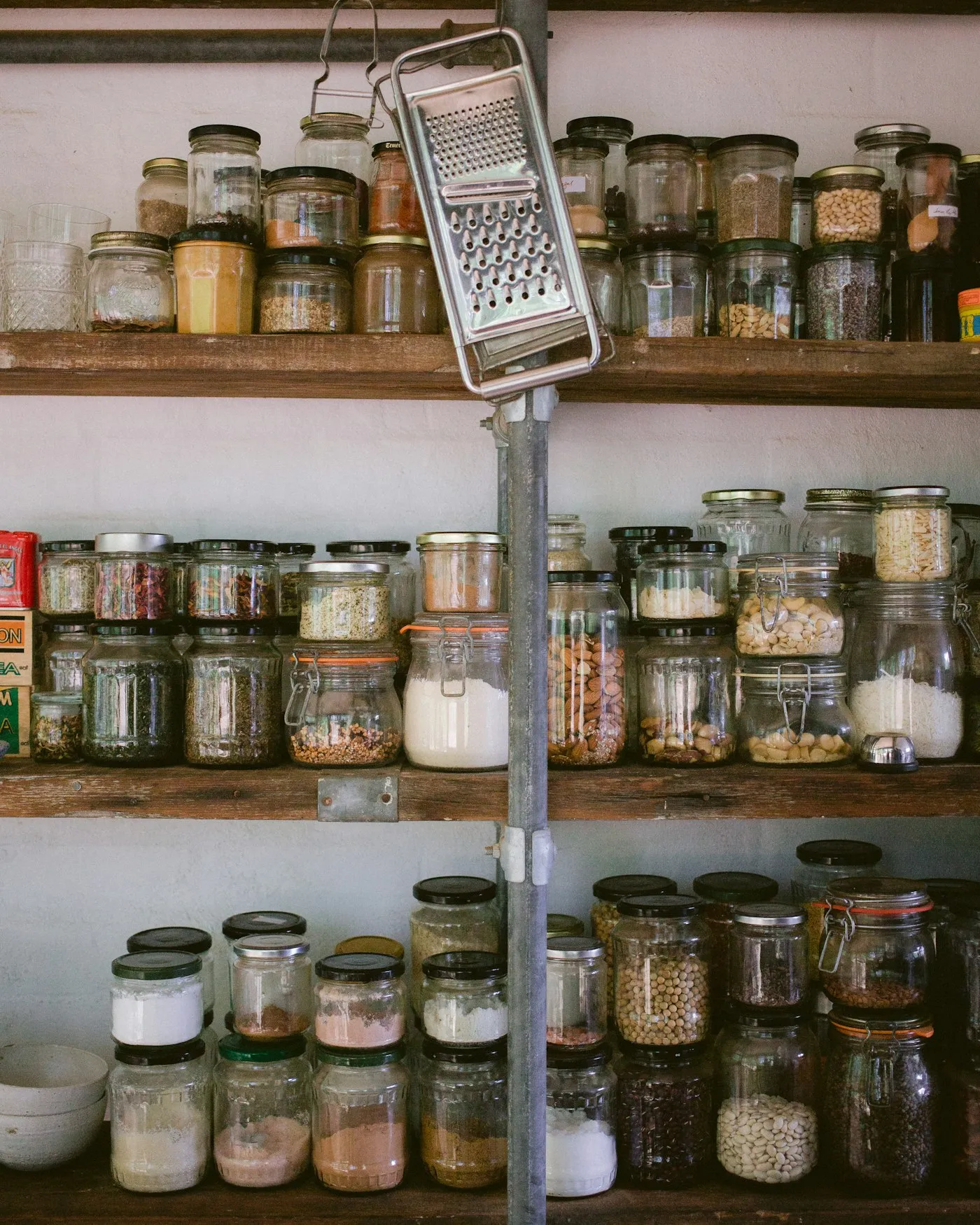
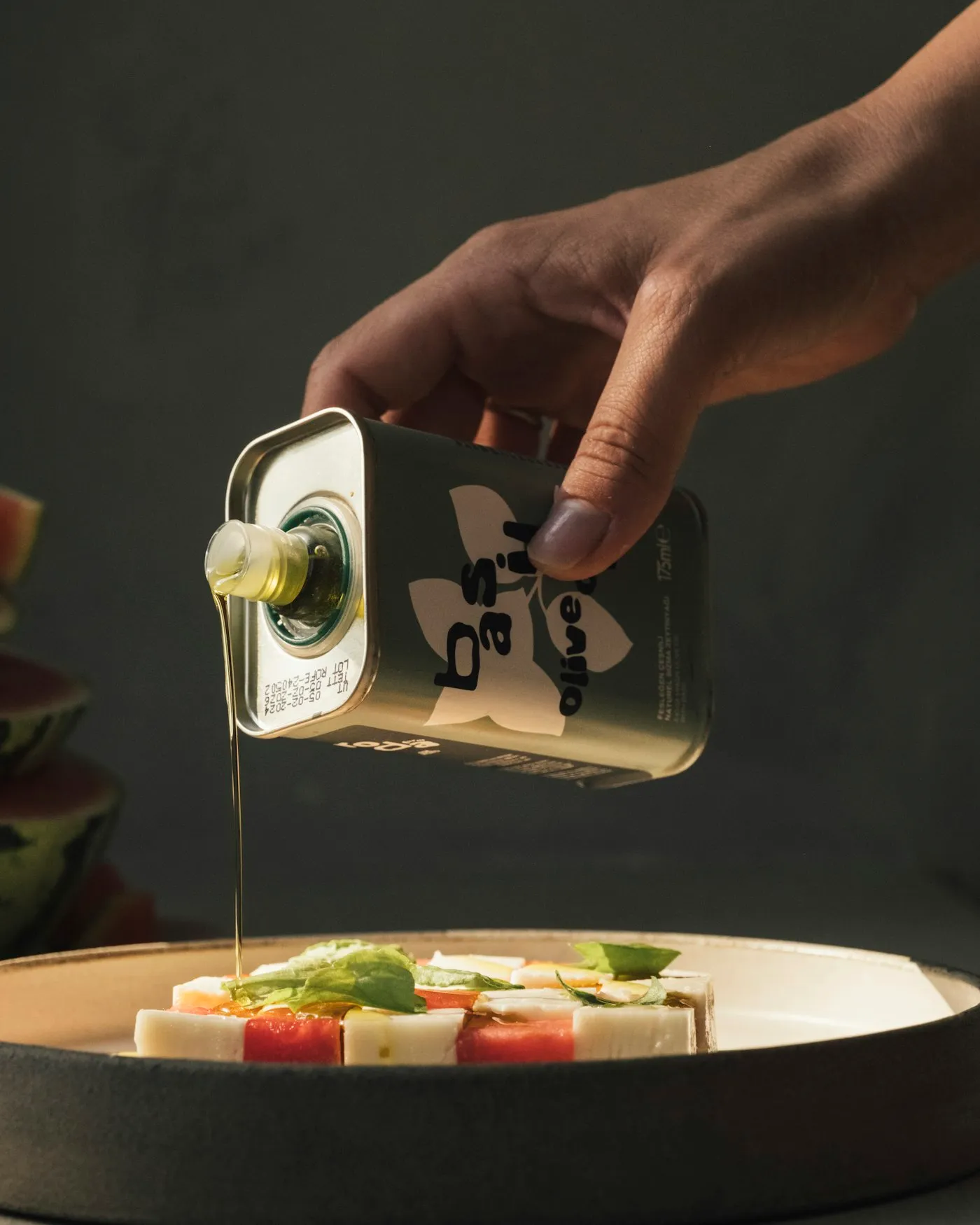
Everything week: olive oil, onions, garlic, lemons, tinned tomatoes, a bag of dried or two tins of beans, parmesan, eggs, bread, yogurt, and a large bunch each of parsley and dill.
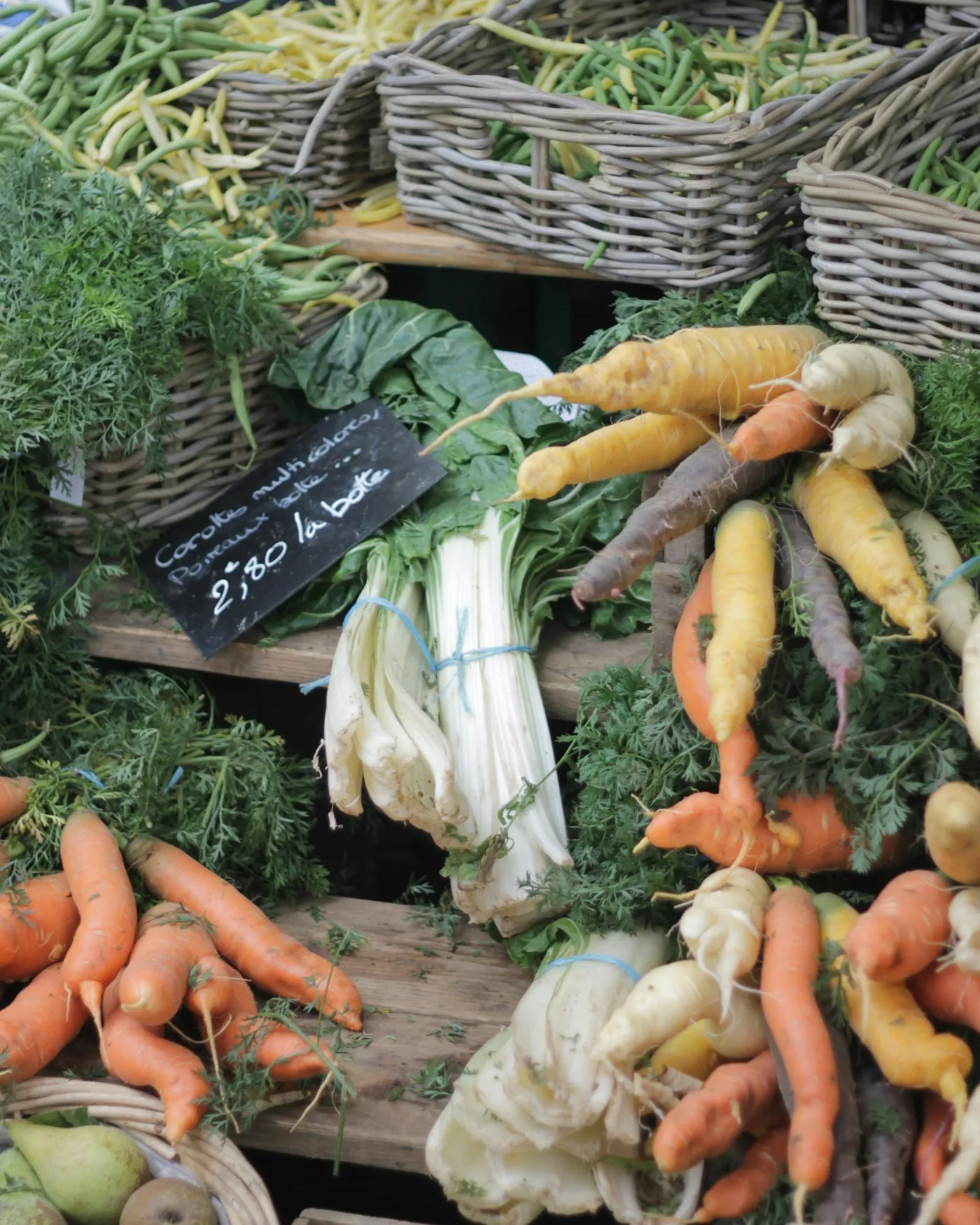
This week specifically: a whole chicken, 800g of carrots, a cabbage, a punnet of tomatoes, 500g of pasta, and a bag of rice.
That is one shop, no exotic single-use purchases, and everything on it goes at least two ways.
Where it leads
Sunday. Roast the chicken over torn potatoes. Eat half. Keep the carcass.
Monday. Chicken stock from the carcass while you make the bean stew — the dill and the lemon are already in.
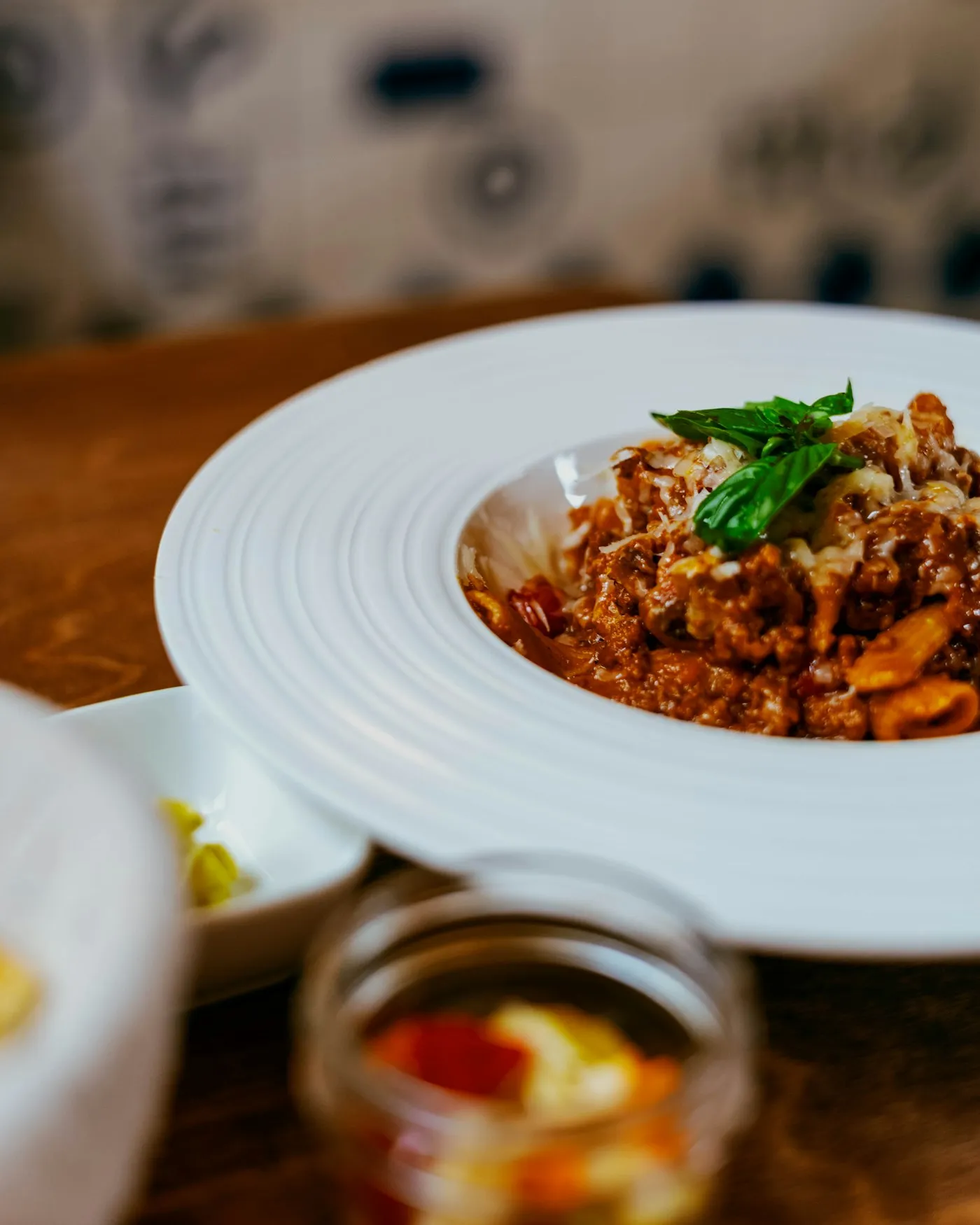
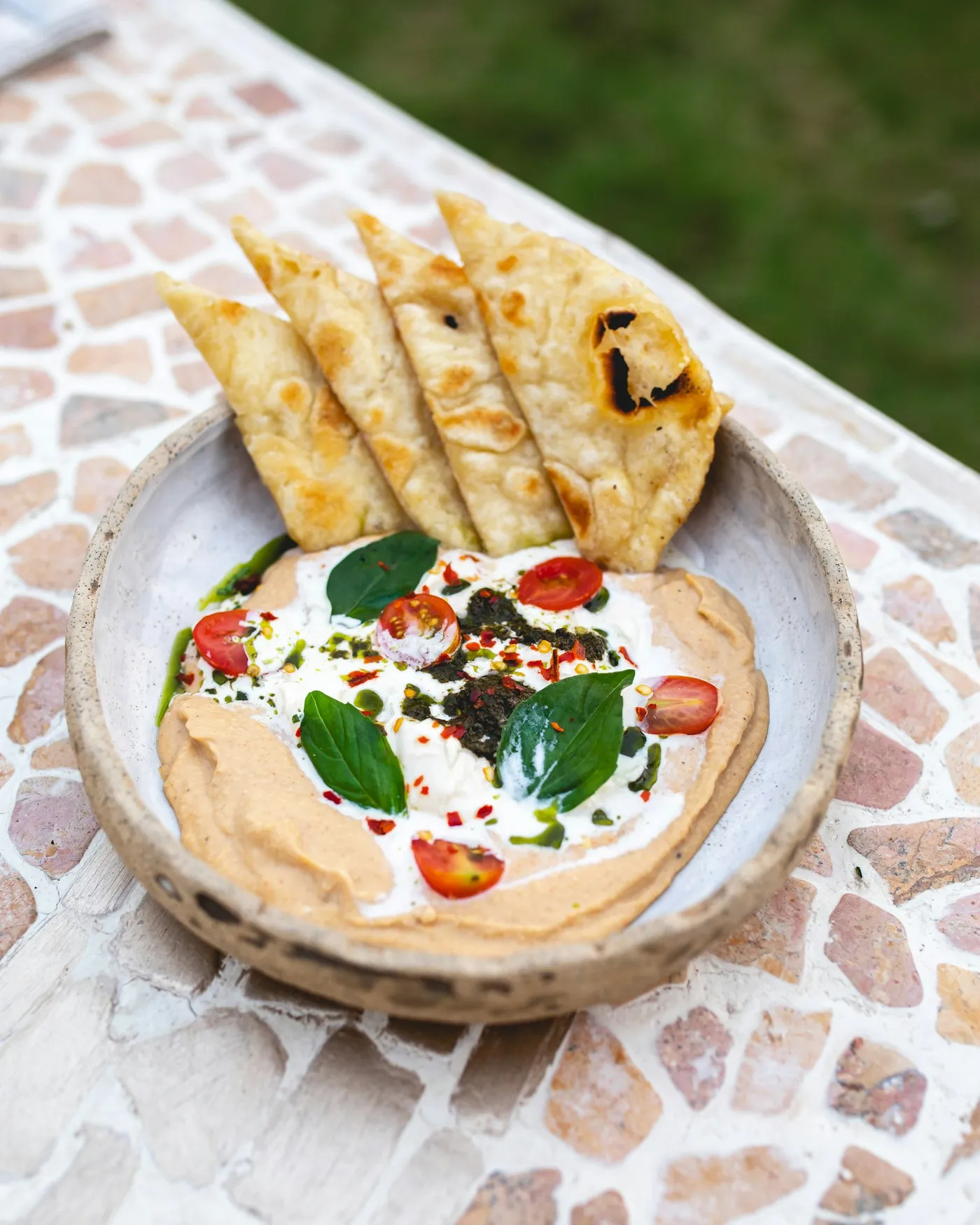
Tuesday. Tomato butter pasta. Fifteen minutes, tins and an onion. Make double sauce.
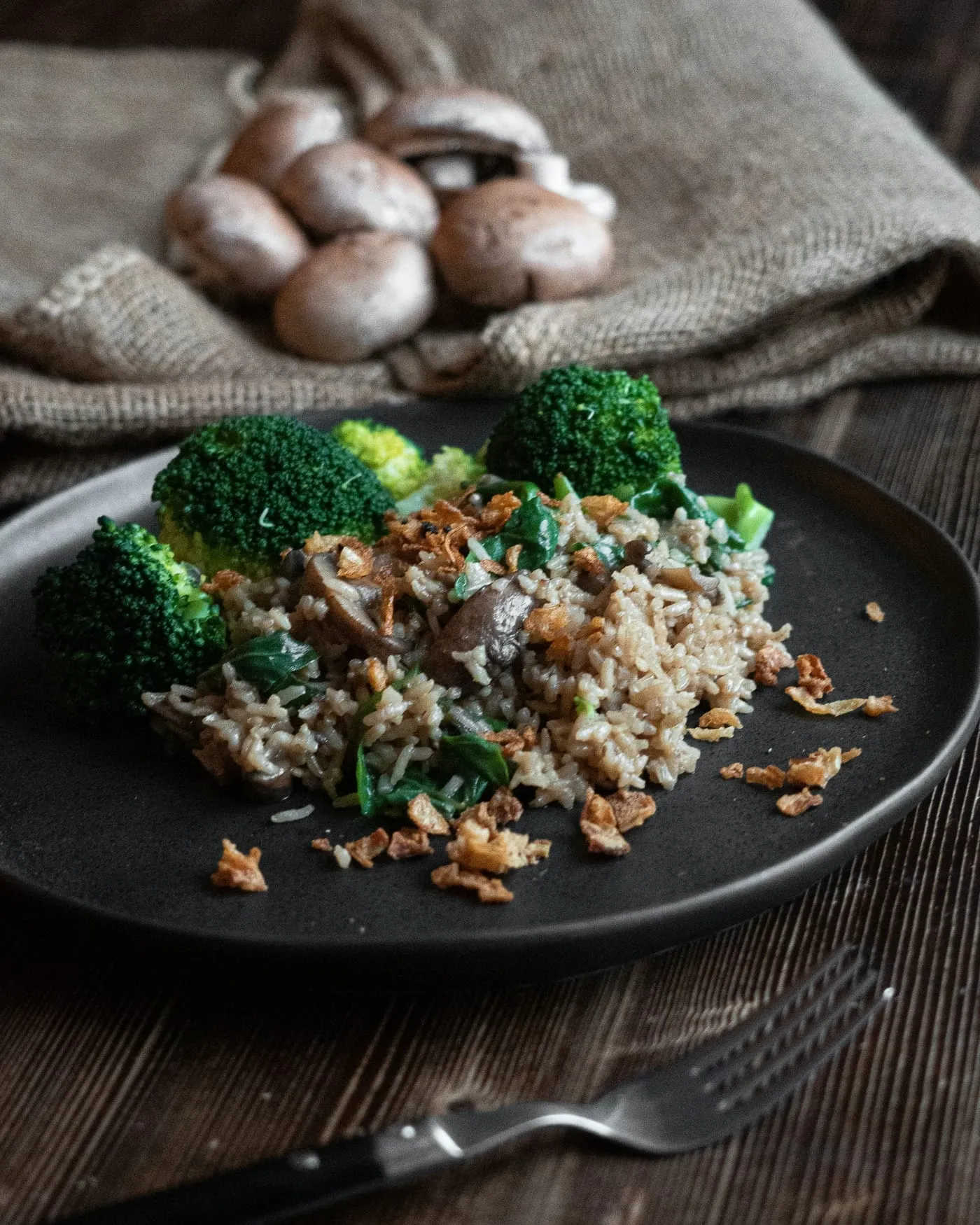
Wednesday. The rest of the chicken, shredded, over rice, with charred cabbage on the side.
Thursday. Roast carrots with yogurt, and the leftover rice fried into a crust with eggs.
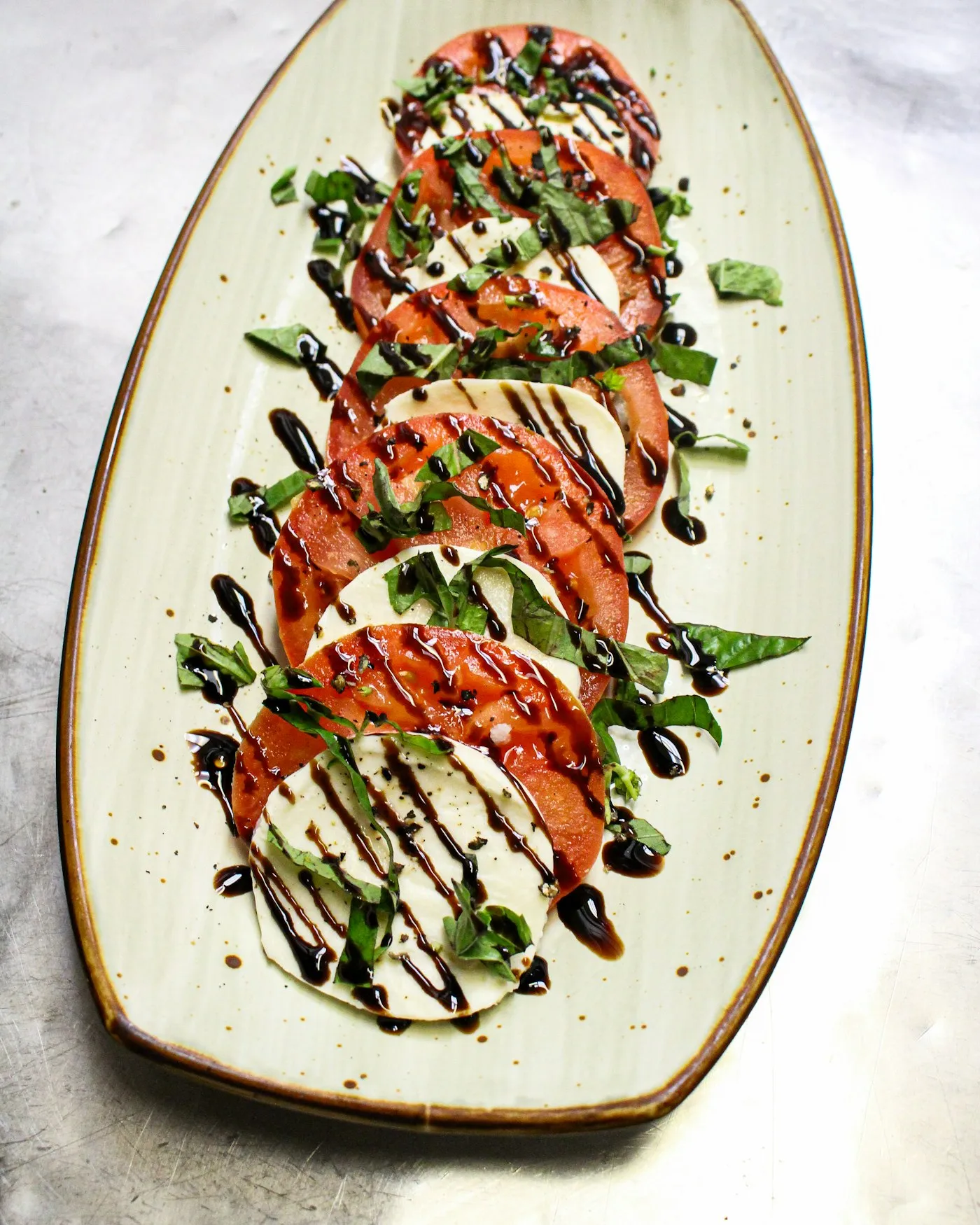
Friday. Tomato salad, bread, the second half of Tuesday’s sauce baked with pasta and parmesan, and nobody cooks properly on a Friday.
Six dinners, one shop, and no night where the plan was already decided for you.
Two rules that make it work
Cook once, eat twice, deliberately. Not “leftovers” as an accident, but a batch made on purpose: double the pasta sauce, cook the whole bag of beans, roast two trays of carrots instead of one. The second meal has to be a different dish, not the same plate again — that is the part that keeps it from feeling like penance.
Buy herbs in bunches and use them like vegetables. A supermarket packet of six dill sprigs is decoration. A large bunch, used by the fistful, is an ingredient — and a bunch of parsley and a bunch of dill between them will carry a week of otherwise unrelated dishes and make them taste intentional.
What to do with the last two carrots
Nothing formal. Grate them into a bowl with lemon juice, olive oil, salt, and whatever herbs are left, and eat that beside anything. Every good cook I know has a version of this, and none of them would call it a recipe.