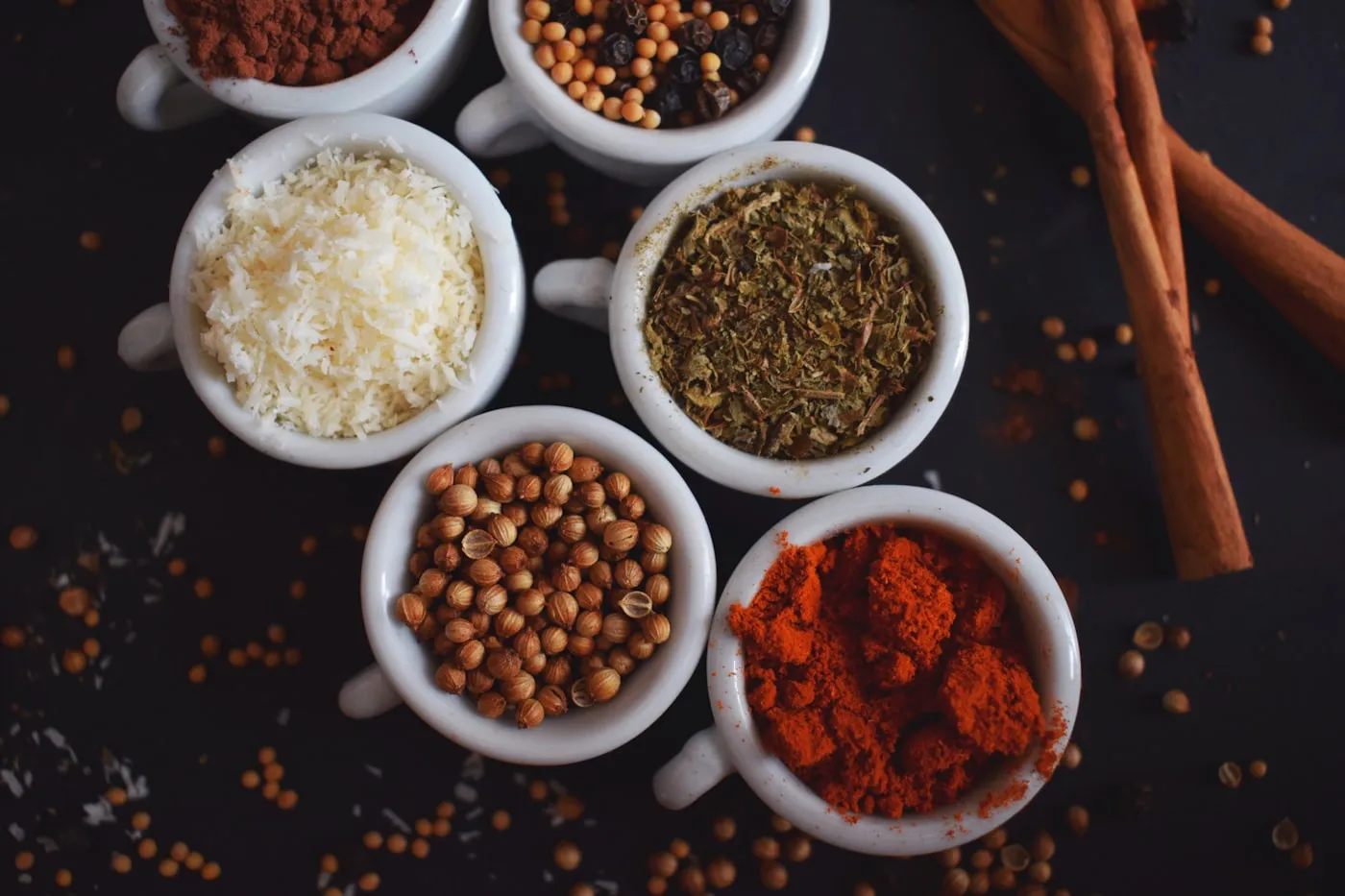
Ground spice is a countdown. The moment a seed is cracked open its aromatic oils start leaving, and a jar of ground cumin that smelled of something in the shop smells of dust within three months. Whole seeds keep for a year and often two, and grinding them takes less time than finding the jar did.
So this kitchen buys six things whole and grinds them as it goes. Everything else — paprika, turmeric, the chilli flakes — is bought ground because there is no sensible way to do otherwise, and bought small so it gets used before it fades.
The six
Cumin. The one that goes furthest. Toasted and cracked over a pot of chickpeas, rubbed on anything that is about to be roasted, stirred into yogurt.
Coriander seed. Sweeter and more citrus than the leaf, and the reason the dukkah on the carrots tastes of anything. Buy it whole or do not bother.
Fennel seed. For pork, for sausage meat, for a tray of roasting vegetables that has gone quiet. A small pinch in bread dough is a trick worth knowing.
Black pepper. The one everyone already grinds fresh, and the proof that the principle works: nobody who has tasted the difference goes back to the tin.
Cardamom. Green pods, cracked open, seeds ground. Rice, milky puddings, and the coffee. Pre-ground cardamom is the fastest-fading spice there is.
Chilli, dried whole. Not a seed, but the same logic. A dried chilli toasted for thirty seconds and crumbled has a depth the flakes in the jar never had.
The two-minute habit
Heat a small dry pan over medium heat. Add the seeds, shake the pan for a minute or so until they smell toasted and one or two start to pop, then tip them into a mortar or a cheap electric grinder. Grind, and use straight away.
That is the whole technique. It is the difference between a spice you can smell from across the room and one you have to lean into the jar to find, and it costs nothing but the pan being hot.
Storing them
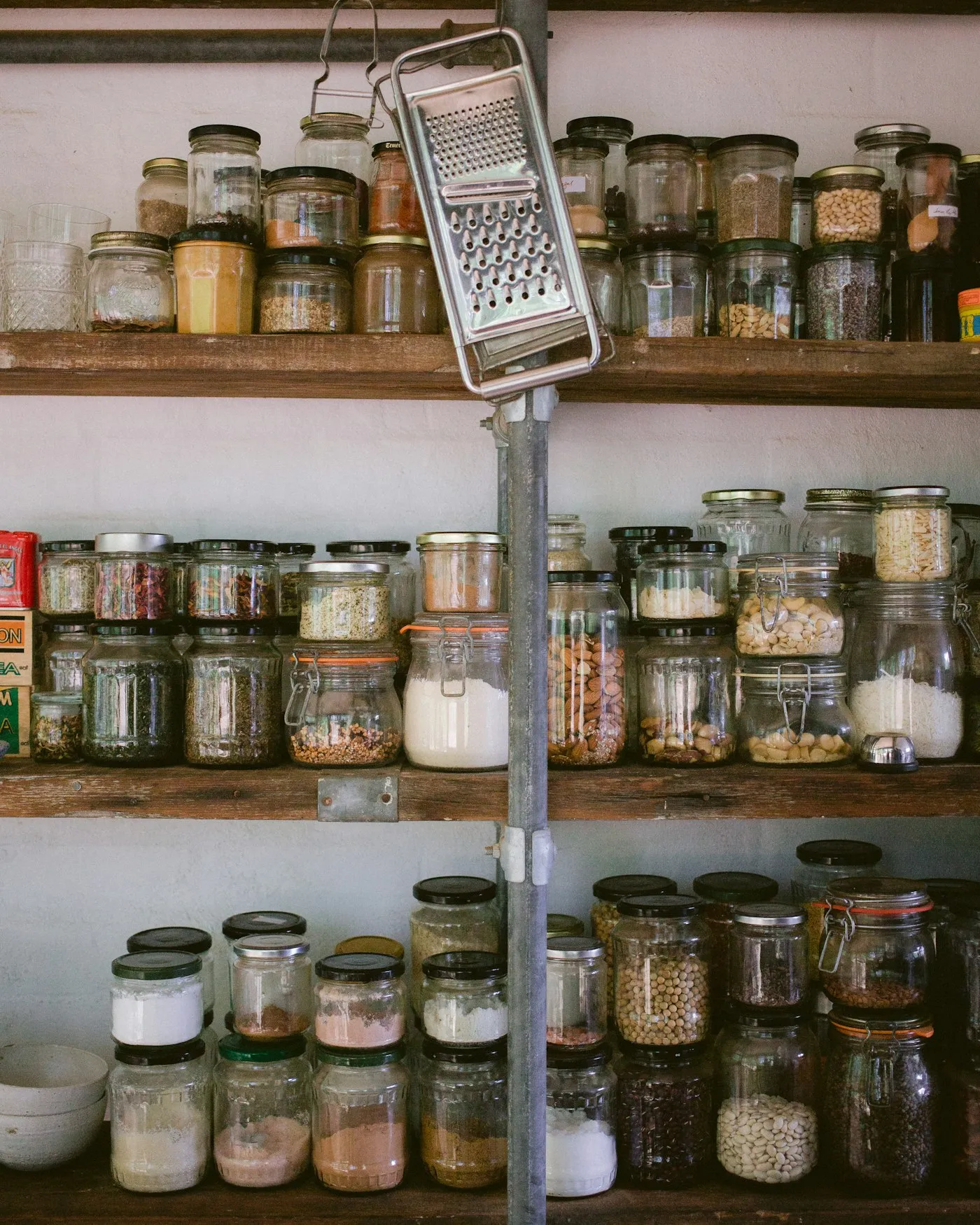
Away from the stove. A rack over the hob looks right and is the worst place in the house for a spice, because heat is what the oils leave in response to. A drawer or a cupboard door, whole seeds in the jars they came in, and the date written on the lid so a two-year-old jar of coriander can be spotted and replaced.