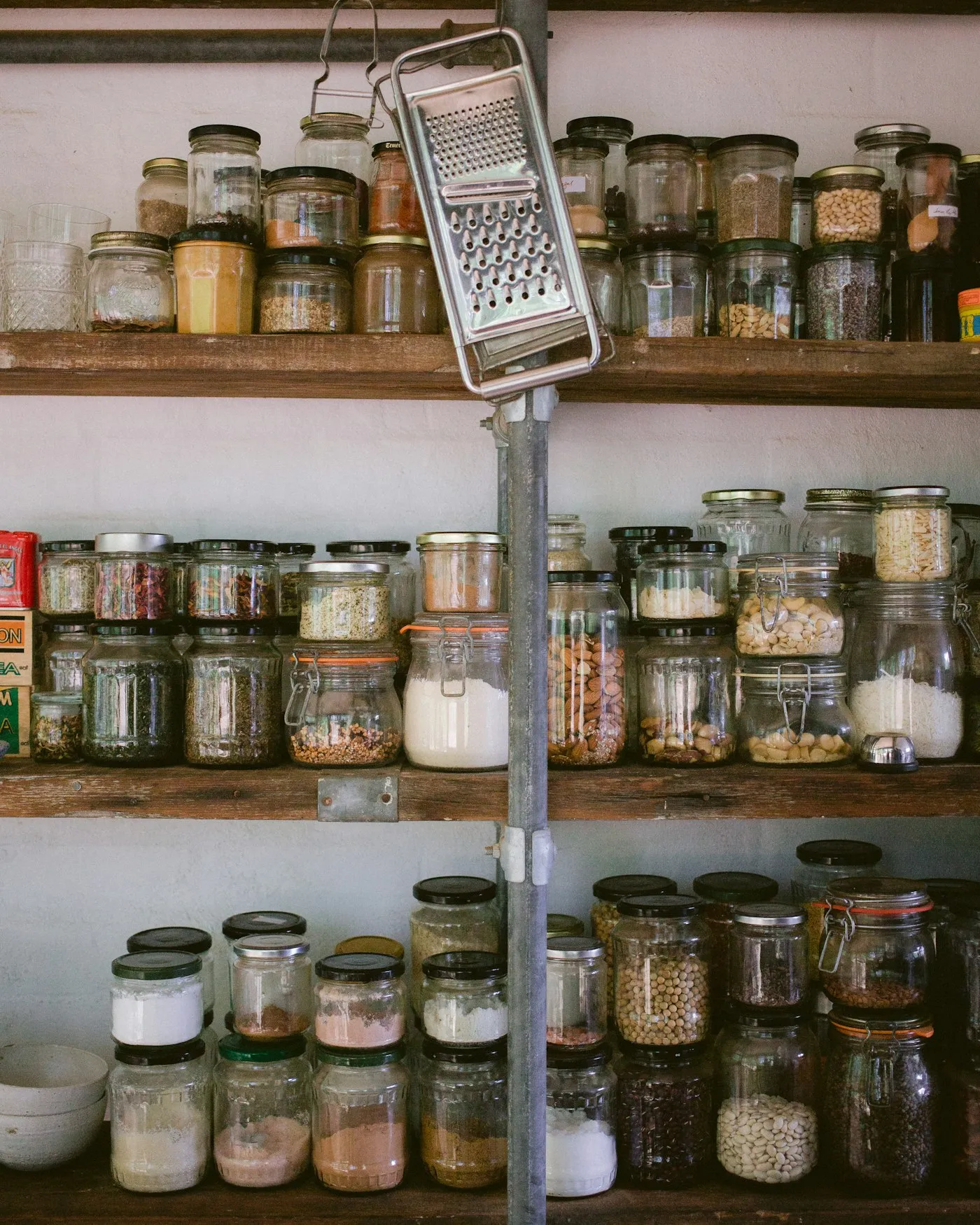
Almost every recipe on this site assumes a shelf. Not a well-stocked one in the aspirational sense — no saffron, no truffle paste, nothing in a jar with a wax seal — but a specific and quite short list of things that turn “there is nothing in” into dinner in twenty minutes.
Here is what is actually on mine, and why each one earns its space.
Tinned whole tomatoes
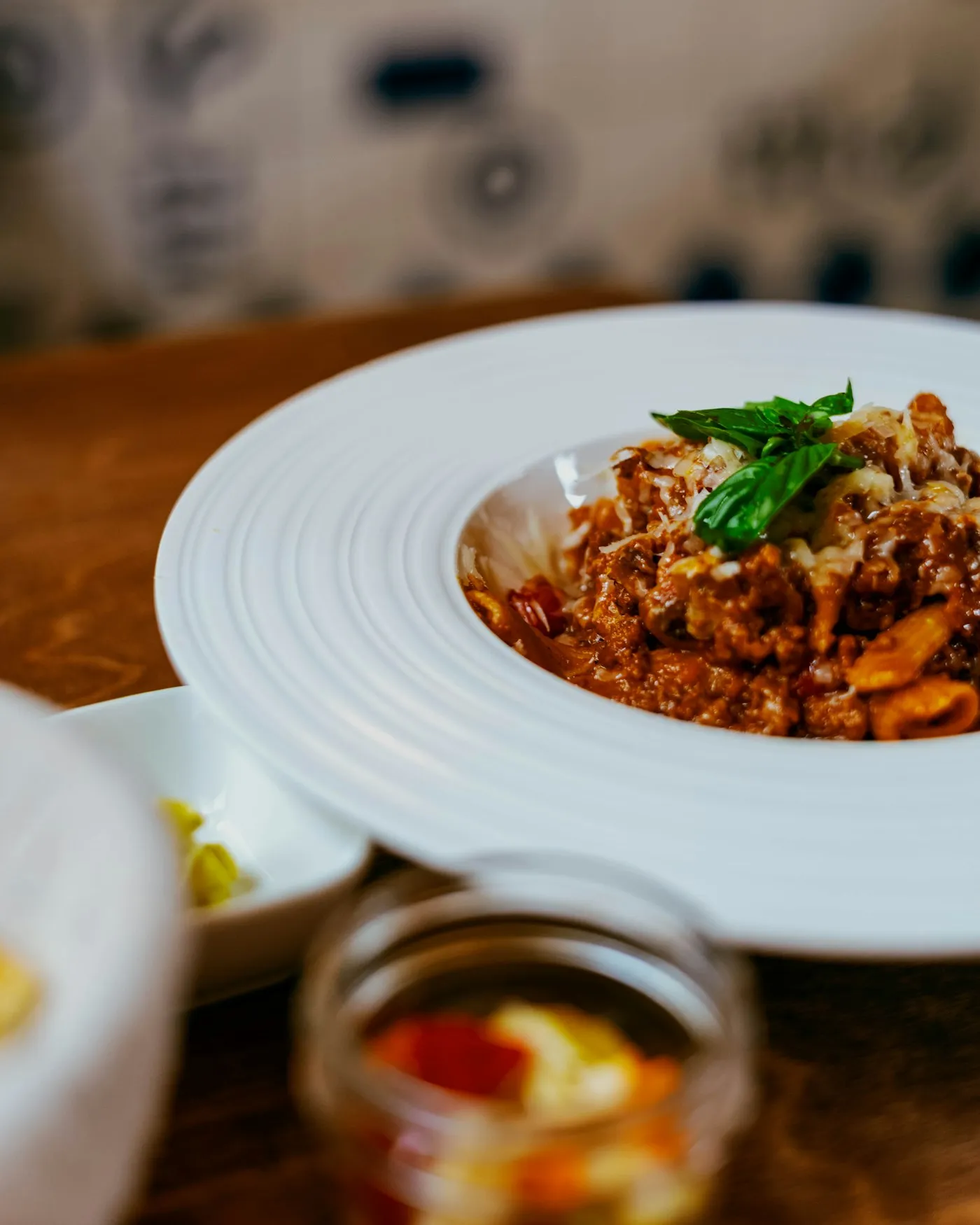
Whole peeled, never chopped. Chopped tins are treated with calcium chloride to keep the pieces intact, which is exactly what you do not want: it stops them breaking down into a sauce. Buy six at a time. The fifteen-minute pasta is entirely built on two of them.
Two kinds of olive oil
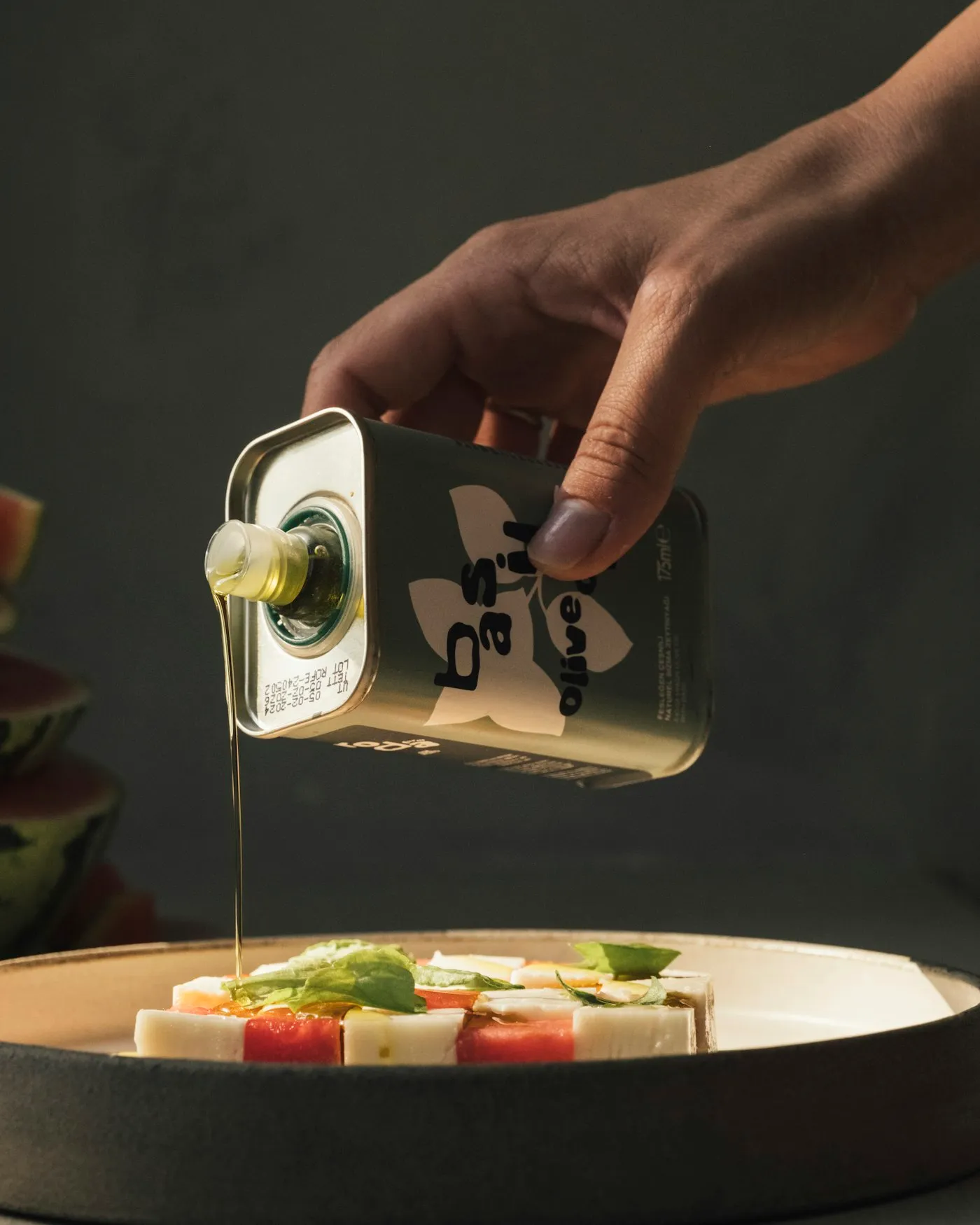
One for cooking, in a large tin, chosen for being decent and cheap. One for finishing, in a dark bottle, chosen for tasting of something. Using the good one in a hot pan wastes it — the aromatics you paid for are volatile and leave. The longer version of this argument is elsewhere.
Anchovies in oil
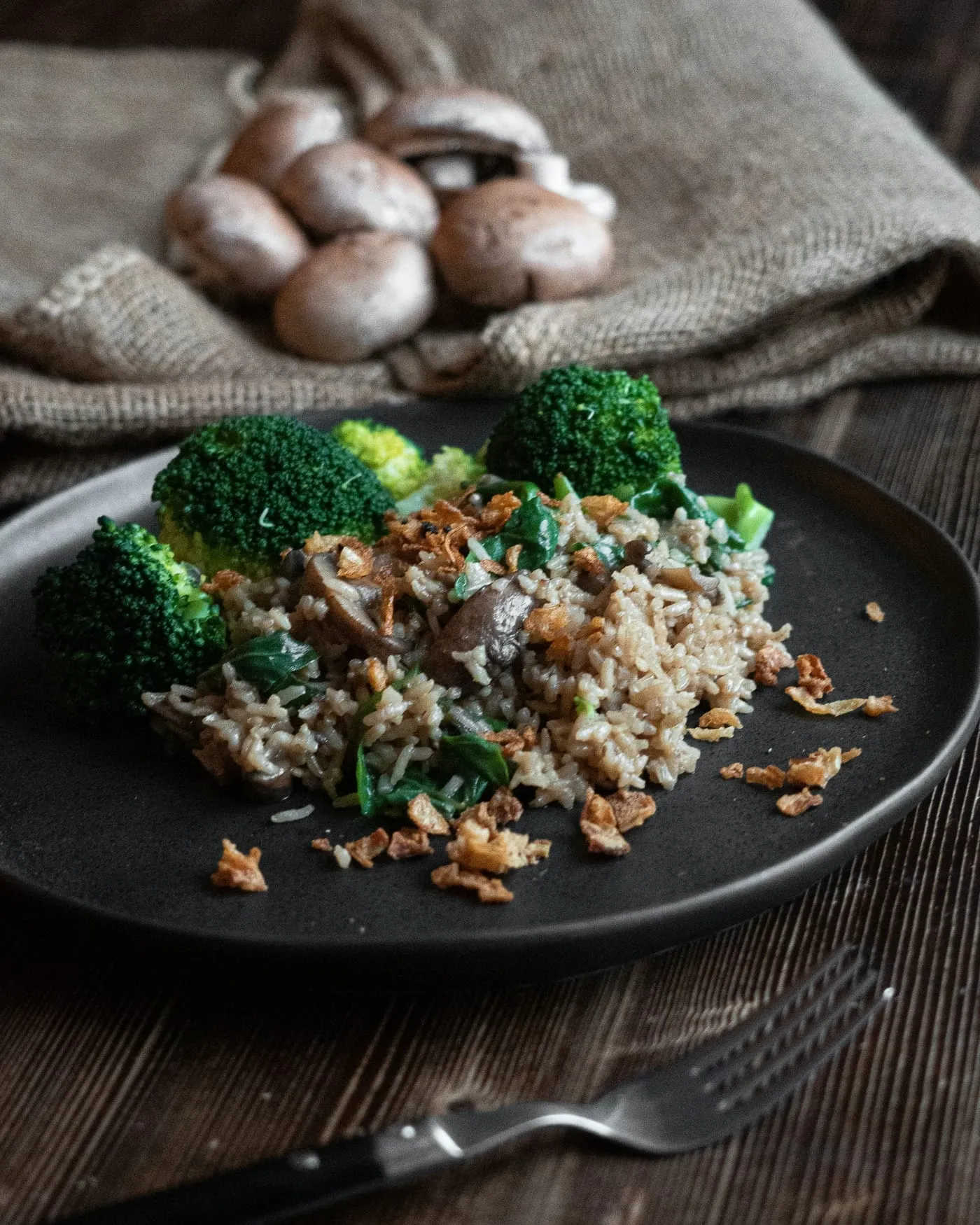
The most useful savoury ingredient there is, and the one most people are wrong about. Four fillets melted into butter or oil disappear entirely and leave depth behind. Nobody tastes fish. See the broccoli.
Tinned beans, and dried ones
Tins for a Tuesday, dried for a Sunday. They are genuinely different ingredients — a pot cooked from dried is creamier and comes with a litre of broth — but a tin is twenty minutes from dinner and that matters more often.
Capers, and something pickled
Acid and salt in a jar that never goes off. Capers crisped in butter, cornichons chopped into anything fatty, pickled shallots on everything. When a dish tastes flat and more salt does not fix it, the answer is almost always acid.
Chilli crisp
The one condiment that has genuinely changed how I cook in the last decade. Crunch, chilli, fried garlic, and savour in one spoon. Get a jar with visible sediment and use the bottom of it.
Tahini
Half a jar of tahini is a dressing, a sauce, a dip, and — thinned with lemon and water — the thing that goes over any roasted vegetable. It is also in the cookies.
Good salt, in two grades
Fine salt for water and doughs, where it has to dissolve and be measured. Flaky salt for finishing, where the point is the crunch and the burst. Buying only one means doing one of those jobs badly.
Whole spices
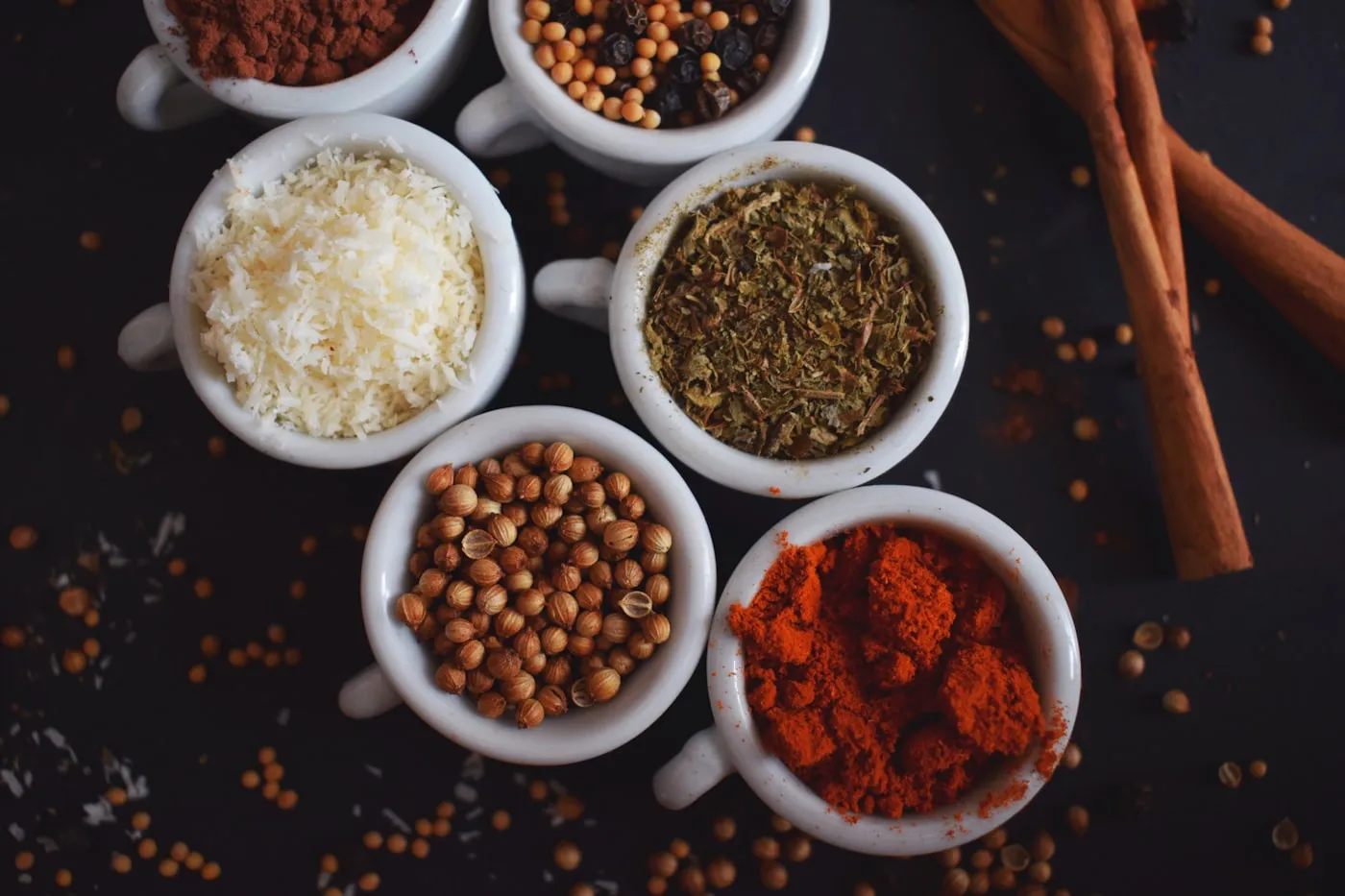
Cumin, coriander, fennel seeds, black peppercorns. Whole spices keep their aromatics for a year or more; ground ones are noticeably duller after three months. Crushing a teaspoon in a mortar takes fifteen seconds.
Honey and a sharp vinegar
Between them they season almost everything. Sweet and sour in small amounts is what makes a dressing taste finished, and honey warmed with chilli is half a dish on its own.
Dried pasta, and one grain
Five hundred grams of rigatoni and a bag of rice or farro. Between them they turn any sauce, any pan of vegetables, and any leftover into a meal that fills people up.
Parmesan, and its rind
The wedge for grating, the rinds in a bag in the freezer for dropping into anything that simmers. Free savour, and you have already paid for it.
What is not on the list
Stock cubes, which mostly taste of salt and yeast extract. Garlic paste, which tastes of the jar. Dried herbs other than oregano and bay, which are the only two that survive drying. Pre-grated cheese, for the same reason as pre-crumbled feta: the starch.
None of this is expensive and none of it goes off quickly. It is a one-time shop and then a slow rotation, and it is the difference between cooking and ordering.